Mastering Indian Spices: Elevate Your Cooking at Home
Henry Murray ·
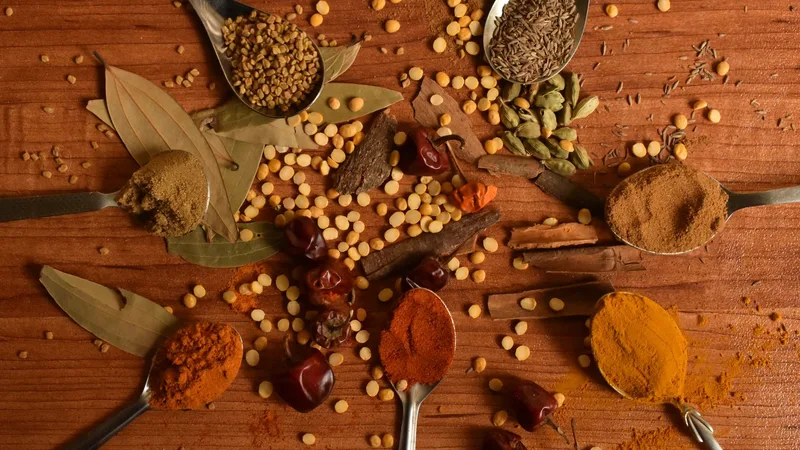
Indian cuisine is a celebration of flavors and aromas, where spices take center stage. Mastering these spices can transform your everyday cooking into an extraordinary culinary experience. From the…
Understanding Essential Indian Spices
Indian cuisine is known for its vibrant flavors, with essential spices at the core. Each spice brings a unique profile to dishes, making them rich and aromatic. Understanding these spices can enhance your cooking skills and improve your dining experience at home. Let’s uncover some foundational spices that define Indian cooking
Cumin and Coriander
Cumin and coriander are staples in Indian kitchens, each offering distinct flavors that complement one another beautifully. Cumin, with its warm, earthy notes, adds depth to dishes, while coriander brings a bright, citrusy undertone. Together, they create a balanced flavor profile essential in curries, dals, and even spice blends. Experimenting with these spices can lead to a greater appreciation of how they improve overall taste in your meals.
Turmeric and Mustard Seeds
Turmeric is celebrated for its vibrant color and numerous health benefits, including anti-inflammatory properties. Mustard seeds add a spicy kick and crunchy texture to dishes. Incorporating these two spices into your cooking can promote health while delivering delightful flavor. Consider making a turmeric rice dish or a mustard seed-infused vegetable curry to experience their unique contributions firsthand.
The Art of Spice Blending
Blending spices is a crucial skill in mastering Indian cuisine. Creating your own spice mixes allows for personalization that can transform ordinary dishes into culinary experiences. The right blend enhances flavors and brings authenticity to your cooking. Understanding how to balance these spices is key to achieving that perfect taste.
Creating Your Own Garam Masala
Garam masala is a quintessential Indian spice blend that varies from household to household. To create your own, start with a base of common spices like cinnamon, cardamom, and cloves, then add your personal touch with ingredients like nutmeg or bay leaves. Toasting the spices before grinding them can deepen flavors. This customization enhances your dishes and reflects your personal cooking style.
Balancing Flavors
Achieving harmony in your dishes requires understanding how different spices interact. Sweet, salty, sour, and bitter elements must be balanced to create a well-rounded flavor profile. Start by adding spices gradually and tasting as you go. This practice is similar to managing a poker hand in web poker cash games; you must know when to hold back and when to go all-in for the best outcome. Fine-tuning your spice balance can lead to a culinary victory that echoes the thrill of a successful bet.
Cooking Techniques That Enhance Spices
Mastering Indian spices goes beyond just knowing which ones to use; the techniques you apply can dramatically transform your dishes. Understanding how to enhance these spices can impress anyone at your dining table. From tempering to slow cooking, each method plays a vital role in bringing out the full potential of the spices. Let’s explore essential techniques that will take your Indian culinary skills to the next level.
Tempering Spices
Tempering spices, or "tadka," is a foundational technique in Indian cooking that involves cooking whole spices in hot oil. This process releases essential oils and flavors, creating a fragrant base for your dishes. For instance, adding mustard seeds and cumin to hot oil creates a delightful aroma that permeates your meal. Experiment with different spice combinations and oils to find the flavor profiles that resonate with you. This technique adds depth and showcases the vibrant character of Indian spices.
Slow Cooking for Depth
Slow cooking allows spices to infuse deeply into ingredients, creating layers of flavor that are hard to achieve with quick methods. Dishes like biryani or dal benefit from this approach, as the longer cooking time allows the spices to marry with the other ingredients. Using a slow cooker or a traditional pot, you can achieve a rich, complex taste that delights the palate. This technique is particularly useful for tougher cuts of meat or legumes, making them tender and flavorful. As you refine your slow cooking skills, you may find parallels in strategy and patience that resonate in other areas of life, such as the thrill of strategic web poker cash games.
Pairing Indian Spices with Ingredients
Pairing spices with the right ingredients is crucial for creating authentic Indian dishes. Knowing which spices complement various foods can significantly affect flavor and presentation. Preparing a vegetarian meal or a meat dish, the right combination of spices can enhance your cooking. Let’s take a closer look at how to pair spices effectively with different ingredients to bring out their best qualities.
Vegetables and Legumes
When cooking vegetarian dishes, spices like turmeric, cumin, and coriander can enhance the natural flavors of vegetables and legumes. For example, adding turmeric to lentils not only adds color but infuses a warm, earthy flavor. Pairing spices with seasonal vegetables can create vibrant and nutritious meals that appeal to both the eye and the palate. Experiment with combinations, adjusting the spices to your taste and the dish’s character. By mastering these pairings, you will discover a new depth in your cooking that rivals the excitement of a high-stakes game at the casino.
Meat and Seafood
For meat and seafood dishes, spices like garam masala, cardamom, and chili powder can enhance flavors remarkably. Marinating meats in these spices before cooking allows the flavors to penetrate, creating a richer taste experience. For instance, chicken marinated with yogurt and spices becomes tender and flavorful when roasted or grilled. Seafood benefits from lighter spices, such as cumin and coriander, which complement without overpowering. Mastering these pairings will elevate your dishes and provide a culinary thrill akin to the excitement of placing a wager in a game of chance.
Serving and Presentation Tips
In Indian cuisine, serving and presentation can elevate your dishes from merely delicious to truly memorable. The way you plate your food enhances its visual appeal and sets the mood for a delightful dining experience. Investing time in presentation can transform a simple meal into a feast for the senses, inviting your guests to enjoy the vibrant colors and textures that Indian spices offer. Here are some tips to help you create stunning presentations that will impress everyone at your table.
Creating a Feast for the Senses
Plating is an art form that goes beyond just putting food on a plate. Aim for a balance of colors, textures, and shapes to create visual harmony. Use contrasting colors to highlight the spices and ingredients, like a vibrant green cilantro garnish atop a rich, orange curry. Don't forget to consider the plate itself; a clean, white dish can make your colorful food pop. Experimenting with height and layering can also add an element of sophistication, making your dishes not only delicious but also a visual delight.
Cultural Context in Serving
Understanding traditional Indian serving methods can add depth to your dining experience. In many Indian households, food is served on banana leaves or thalis, which enhances the flavor and adds a cultural touch. Familiarize yourself with the significance of certain dishes and the customs surrounding them. For instance, serving food in a communal style encourages sharing and conversation, fostering a warm, inviting atmosphere. Each serving method carries its own story, connecting you with the rich heritage of Indian dining.
Spice and Entertainment: A Connection to Casino Culture
As you explore the world of Indian spices, you may find intriguing parallels between the excitement of cooking and the thrill of casino entertainment. Just as spices can bring a burst of flavor to your meals, the atmosphere of a casino can ignite a sense of adventure and anticipation. Both experiences stimulate the senses and create memorable moments, whether you’re savoring a well-cooked dish or enjoying the thrill of a game. Recognizing these connections can enrich your appreciation for both culinary and gaming experiences.
The Thrill of Flavors and Games
The excitement of experimenting with spices mirrors the unpredictable nature of gaming. Just like a high-stakes poker game, cooking can be a gamble — you mix ingredients, hoping for a delightful outcome. The adrenaline rush of trying a new spice blend or flavor combination can be as exhilarating as the thrill of a winning hand at the poker table. Both require a balance of skill and a bit of luck, making them captivating activities that can lead to rewarding experiences.
The Social Aspect of Cooking and Gambling
Gathering around food and games fosters connections among friends and family. Sharing a meal laden with spices encourages storytelling and laughter, similar to the camaraderie found in a casino setting. Whether you’re cooking together or playing a friendly game of poker, these activities build bonds and create lasting memories. Embrace the social aspect of both cooking and gambling, as they both offer opportunities to connect, share experiences, and enjoy the company of others in ways that enrich our lives.