Decadent Indian Desserts: Sweet Treats You Can't Miss
Henry Murray ·
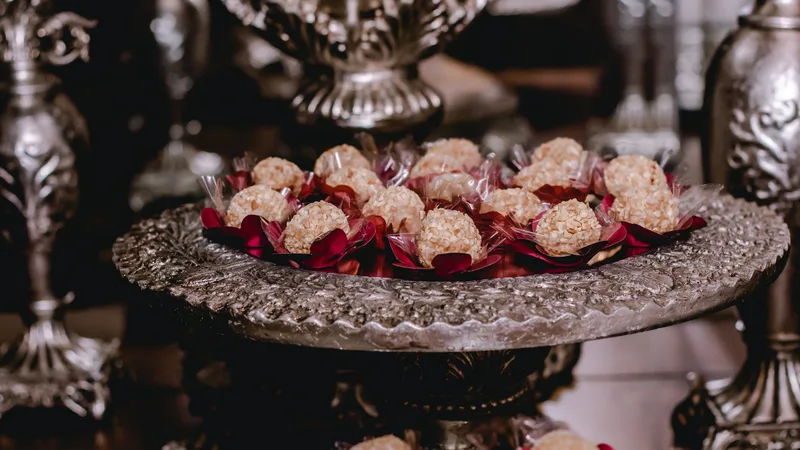
Indian cuisine is a vibrant array of flavors, aromas, and textures, with each dish telling a story of its cultural heritage. Among the many culinary delights, the desserts stand out as a sweet finale…
The Allure of Rasgulla
Rasgulla is more than just a dessert; it’s a symbol of indulgence and celebration in Indian culture. Originating from West Bengal, this spongy, syrup-soaked treat has captured the hearts of many across the country and beyond. The delicate balance of sweetness and texture makes it an irresistible choice for festive occasions, family gatherings, or even a casual evening treat. With its rich history and regional variations, rasgulla continues to be a beloved staple on dessert menus everywhere
Origin and Variations
The origins of rasgulla can be traced back to the 19th century, with tales of its creation linked to the city of Kolkata. Traditionally made from chhena, or curdled milk, the dessert has inspired numerous adaptations across India. For instance, the Odisha version includes a touch of saffron, while the Bengali rasgulla features a lighter, fluffier texture. Each variation tells a story, reflecting the local ingredients and culinary techniques, making rasgulla a dish that evolves with time yet remains rooted in tradition.
Perfect Pairings
When it comes to pairing rasgulla, the options are as delightful as the dessert itself. A steaming cup of chai enhances the sweet experience, balancing the flavors beautifully. Some enjoy rasgulla with a side of fresh fruit or nuts for a refreshing twist. Additionally, serving it alongside other Indian sweets, like gulab jamun or kheer, creates a festive platter that is sure to impress guests. These combinations enhance the dining experience, making every bite of rasgulla a moment to savor.
Gulab Jamun: A Sweet Delight
Gulab jamun is another iconic Indian dessert that is adored for its rich flavor and melt-in-your-mouth texture. Made from khoya, or reduced milk, and soaked in fragrant sugar syrup, this dish is a favorite at weddings and celebrations. The golden-brown spheres, often garnished with nuts, exude warmth and hospitality. As with rasgulla, gulab jamun has become a beloved treat that transcends regional boundaries, bringing people together in the joy of sweet indulgence.
Making Gulab Jamun
Creating gulab jamun at home is a rewarding experience that starts with the right ingredients. Begin by kneading khoya with a touch of flour and baking powder until smooth. Form small balls and fry them until golden brown, ensuring they cook evenly. After frying, soak them in a warm sugar syrup infused with cardamom and rose water. This step is crucial, as the syrup gives the gulab jamun its signature sweetness and aroma, making it a dessert that delights the senses.
Serving Suggestions
When it comes to serving gulab jamun, presentation matters. For special occasions, consider arranging them in a decorative bowl and garnishing with slivers of pistachio or almonds. Pairing gulab jamun with a scoop of vanilla ice cream introduces a delightful contrast of temperatures and textures. Additionally, offering gulab jamun alongside chai or coffee can enhance the overall experience, making it a perfect end to any meal. This sweet treat satisfies cravings and can also be enjoyed while engaging in social games, adding a fun twist to your gathering.
Kheer: The Creamy Comfort
Kheer is a beloved dessert that has earned its place in the hearts of many. This creamy rice pudding, enriched with milk, sugar, and cardamom, offers a delightful blend of flavors and textures. Often garnished with nuts and raisins, kheer is not just a dish; it's a comforting embrace that evokes memories of home. Whether served at festivals or family gatherings, kheer embodies the essence of Indian hospitality.
Ingredients That Matter
The key components of kheer are simple yet essential. Basmati rice forms the base, providing a fragrant touch that pairs beautifully with the creamy milk. Sugar adds sweetness, while cardamom infuses a warm, aromatic flavor. Cashews, almonds, and raisins enhance the taste and add a delightful crunch and chewiness. These ingredients come together to create a dish that is both comforting and indulgent, making kheer a favorite across generations.
Variations Across India
Kheer is a versatile dessert with numerous regional variations. In Punjab, you might encounter 'Phirni', a rice pudding made with ground rice and served in clay pots. In South India, 'Payasam' often incorporates jaggery instead of sugar, lending a unique flavor profile. Each region adds its own twist, whether it’s the addition of saffron in Gujarat or the use of vermicelli in Kerala. These variations highlight the richness of Indian cuisine and demonstrate how a single dish can evolve and adapt over time.
Barfi: A Festive Treat
Barfi is a quintessential Indian sweet that brings joy to any celebration. This dense, milk-based confection is often flavored with cardamom, pistachios, or coconut, making it a festive favorite. Its rich texture and vibrant colors make barfi an eye-catching treat on any dessert platter. Whether during Diwali or weddings, barfi symbolizes joy, shared among friends and family, enhancing the festive spirit.
Types of Barfi
Barfi comes in many delightful varieties, each with its unique flavor and texture. 'Kaju Barfi' is made from cashew nuts and is known for its smooth, luxurious feel. 'Coconut Barfi' offers a tropical twist, while 'Pista Barfi' features the rich taste of pistachios. There are also fruit-flavored versions, such as mango or strawberry barfi, which add a refreshing touch. Each type showcases the creativity of Indian confectionery, ensuring that there’s something for everyone.
Cultural Significance
Barfi holds a special place in Indian culture, often associated with celebrations and rituals. It is customary to offer barfi during festivals, weddings, and other significant life events. This sweet is not just a treat but a gesture of goodwill and love. Sharing barfi with others symbolizes the sharing of happiness, making it an integral part of Indian traditions. As you savor each bite, you partake in a rich cultural legacy that spans generations.
Lassi: The Perfect Accompaniment
Lassi is a traditional Indian drink that complements the rich flavors of Indian desserts. This yogurt-based beverage comes in two primary varieties: sweet and savory. Both types offer a refreshing balance to the often intense sweetness of desserts, making them a staple in Indian dining. Whether you prefer a creamy mango lassi or a tangy salted version, this drink enhances your culinary experience.
Sweet vs. Savory
Sweet lassi is typically made with yogurt, sugar, and fruits like mango or strawberry, resulting in a creamy, flavorful drink that pairs beautifully with decadent desserts. Savory lassi, on the other hand, includes spices like cumin and salt, offering a contrasting flavor profile that can cleanse the palate. The choice between the two depends on your dessert selection. A sweet dish like gulab jamun might be best complemented by a sweet lassi, while a spiced dessert like jalebi pairs well with the savory version.
Pairing with Desserts
When you enjoy Indian desserts, lassi serves as more than just a drink; it enhances the entire experience. The cool creaminess of lassi counteracts the heat from spices and balances the sweetness of desserts. For instance, a rich, syrupy dessert like rasgulla can feel even more indulgent when sipped alongside a refreshing mango lassi. This combination creates a harmonious dining experience, allowing flavors to shine and leaving you satisfied.
Connecting Dessert to Casino Entertainment
Indulging in Indian desserts resonates with the thrill of casino entertainment. Both activities are about enjoying the moment and embracing the richness of life. Just as you savor each bite of a decadent dessert, you can relish the excitement of a night at the casino, where every spin of the wheel or shuffle of cards brings the potential for joy and surprises. The connection between these two experiences is rooted in celebration and enjoyment.
The Experience of Indulgence
The joy of savoring Indian desserts parallels the thrill you feel while gaming. Both experiences evoke a sense of anticipation and delight; whether it’s the first bite of a sweet treat or the moment you place your bet, indulgence is at the core. Enjoying a dessert can heighten your senses, just like the excitement of winning at a poker table can elevate your mood. Both are about embracing pleasure and making memories.
Creating a Memorable Evening
Combining fine dining with casino entertainment can lead to an unforgettable night out. Imagine starting with a lavish Indian meal, complete with exquisite desserts, before heading to the casino for a few rounds of web poker cash games. This blend of dining and gaming satisfies your taste buds and enhances the overall experience, making the evening one to remember. The thrill of the casino, combined with the richness of Indian cuisine, creates a perfect recipe for a delightful night.